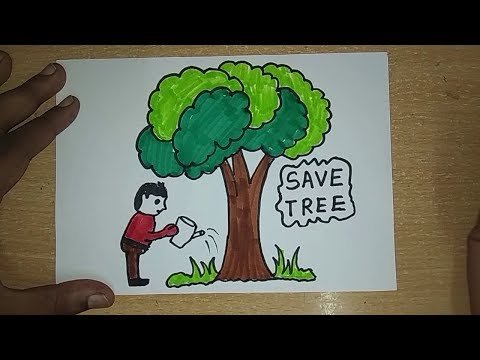
How can we save trees by using a tab for Eaxams

The 4 Benefits For Schools Going From Paper To Digital

We all know that when it comes to creating a sustainable future, everyone has their part to play – and that includes educators. The paperless movement is rapidly gaining support worldwide, with many schools choosing to transform classrooms into a paper-free zone.

Less paper = more trees, which directly benefits the environment, but there are so many more advantages of reducing (or even eliminating) paper. We’ve researched the key statistics and insights around reducing paper use, and explored 4 benefits for schools.
By switching to digital tools, such as a digital communication platform, information flows faster, can be tracked and recovered, and is always in the right hands – which in turn boosts productivity and saves valuable time.

The undeniable benefits of going paperless

✓Reducing waste and creating a sustainable future

✓First things first: there’s no denying that going paperless helps to save the environment and reduce waste

✓.Save time for teachers and administration…

✓This way, your teams spend less effort on managing paperwork and chasing up documents, and have more time to focus on supporting students, working with parents, and contributing to your school community.

✓…and reduce costs at the same time

✓The benefits of going paperless in schools reach beyond just saving time and the environment – going paperless also helps your school save money.

✓Bringing the classroom into the digital age (and beyond)

At the end of the day, there are plenty of benefits of going paperless in schools, from saving time and money, to saving the environment and enhancing digital literacy. Using less paper (or even going entirely paperless) is a win-win for your students and teachers, as well as the wider school community, and the environment.

Four Reasons Why Farming Is Important #AmericasFarmers

Although tending our own garden is becoming more popular, many of us still get our food from the supermarket. It is so easy and convenient to drive over to the grocery store, grab a few items and cook a meal. Have you ever stopped to think about where the bulk of your fresh produce, vegetables, meats and other non-processed items come from? They may end their journey at the store, but they began their story on an American farm. Our American farmers are crucial to our economy and are vitally important to us. Here are just 4 reasons why:

4 Reasons Our Farmers Are Important

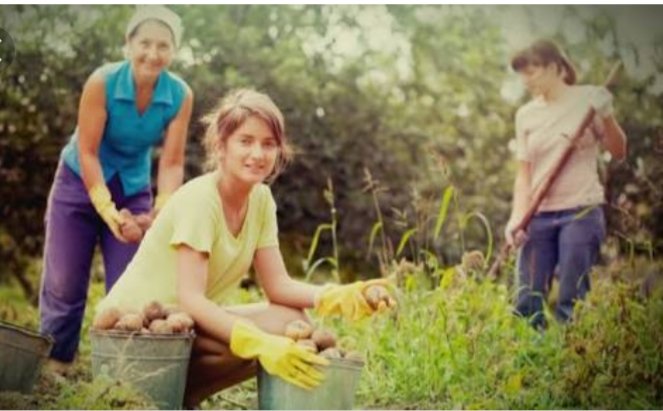
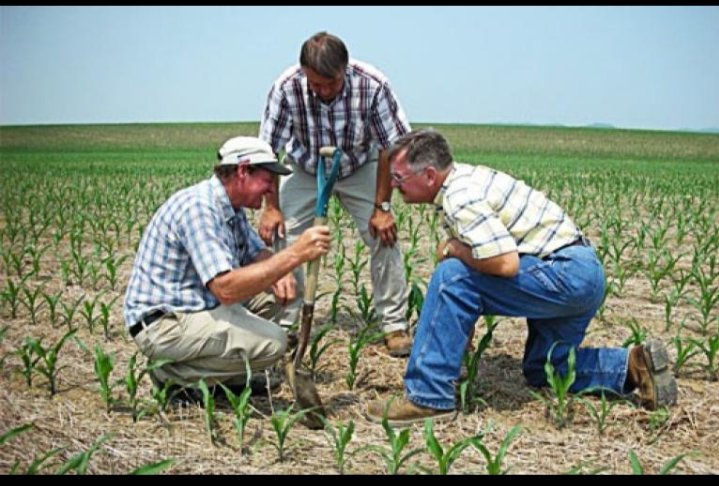
  1. Local Economic Power: Farming is a huge boon to our local economy. 96% of farms owned in this country are family owned farms. The average farmer provides food for 155 American families. When we buy local, we support their families while they support ours.
  2. Food Power: The healthy way to eat is fresh fruits, vegetables and proteins which are grain fed and raised in humane conditions. Without our local farmers, we would be sorely lacking in our diets and would be forced to eat a diet of processed and unhealthy foods.

3.Woman Power: More than a million farms are owned by women, which equals out to 30% of all farms. Not only is this building the small business ideals in America, it is building strong women who own these businesses.

4.JOB POWER: Agriculture is the largest employer in the United States, providing jobs to 23 million Americans. These jobs range from the actual farming, to processing, to transportation and much more. These jobs range from the actual farming, to processing, to transportation and much more. Plus, there’s the economy of farming equipment, such asbuying and selling used tractors, or providing feed, supplies, and other equipment.

Agriculture jobs
Sneed Family

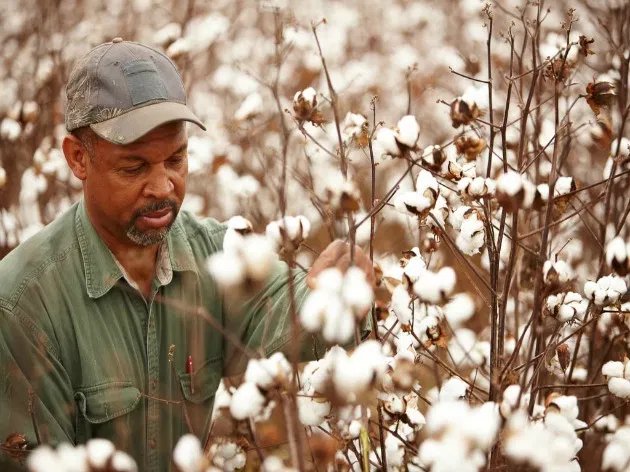
If you visit the America’s Farmers website, you will learn so many interesting facts about farming in America. You can take a quiz to test your knowledge about farming, and learn about the different crops and livestock raised on farms. Although we think of farmers bringing us food, we need to remember there are other crops farmers bring us as well. One important crop is cotton and the Sneed family from Millington, Tennessee manages over 9,000 acres which includes cotton. That’s what I love about it — I am always discovering something I didn’t know, or something I didn’t know I could do.” This hard working family is just one example of the honest and hard working folks who run farms all across America. Please visit the American Farmers website to learn about all the aspects of farming, how it impacts your family and how you can support this important sector of our communities.

ONE HUMBLE REQUEST FROM MY SIDE “RESPECT FARMERS” ,”SAVE FARMERS”.

THANKYOU….

Reducing Wasted Food At Home

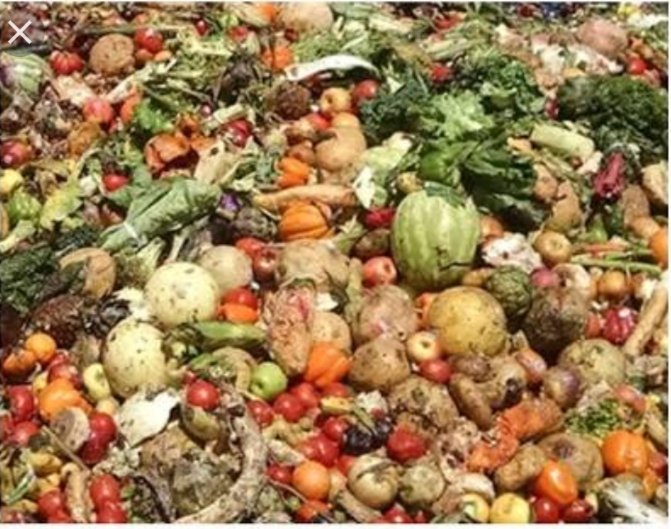
Most people don’t realize how much food they throw away every day — from uneaten leftovers to spoiled produce. About 94 percent of the food we throw away ends up in landfills or combustion facilities. In 2017, we disposed 38.1 million tons of food waste. By managing food sustainably and reducing waste, we can help businesses and consumers save money, provide a bridge in our communities for those who do not have enough to eat, and conserve resources for future generations.

On this page:


Benefits of Reducing Wasted Food

Helpful Links

  • Saves money from buying less food.
  • Reduces methane emissions from landfills and lowers your carbon footprint.
  • Conserves energy and resources, preventing pollution involved in the growing, manufacturing, transporting, and selling food (not to mention hauling the food waste and then landfilling it).
  • Supports your community by providing donated untouched food that would have otherwise gone to waste to those who might not have a steady food supply.

Ways to Reduce Wasted Food

Planning, prepping, and storing food can help your household waste less food. Below are some tips to help you do just that:

Planning Tips

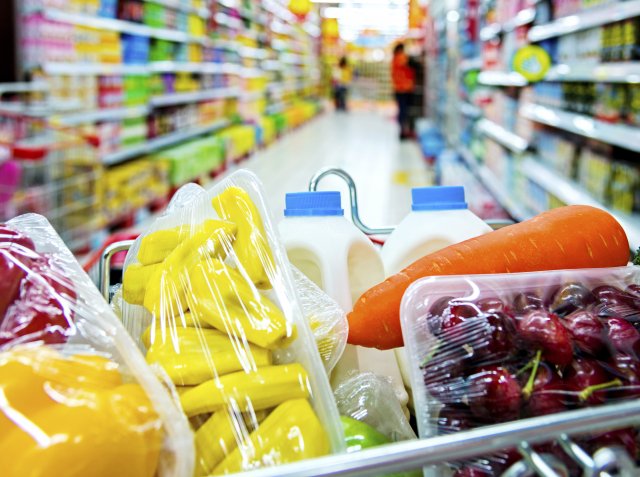
shopping cart with colorful fruits and vegetables in it

By simply making a list with weekly meals in mind, you can save money and time and eat healthier food. If you buy no more than what you expect to use, you will be more likely to keep it fresh and use it all. 

  • Keep a running list of meals and their ingredients that your household already enjoys. That way, you can easily choose, shop for and prepare meals.
  • Make your shopping list based on how many meals you’ll eat at home. Will you eat out this week? How often?
  • Plan your meals for the week before you go shopping and buy only the things needed for those meals.
  • Include quantities on your shopping list noting how many meals you’ll make with each item to avoid overbuying. For example: salad greens – enough for two lunches.
  • Look in your refrigerator and cupboards first to avoid buying food you already have, make a list each week of what needs to be used up and plan upcoming meals around it.
  • Buy only what you need and will use. Buying in bulk only saves money if you are able to use the food before it spoils.

Storage Tips

It is easy to overbuy or forget about fresh fruits and vegetables. Store fruits and vegetables for maximum freshness; they’ll taste better and last longer, helping you to eat more of them.

  • Find out how to store fruits and vegetables so they stay fresh longer inside or outside your refrigerator.
  • Freeze, preserve, or can surplus fruits and vegetables – especially abundant seasonal produce.
  • Many fruits give off natural gases as they ripen, making other nearby produce spoil faster. Store bananas, apples, and tomatoes by themselves, and store fruits and vegetables in different bins.
  • Wait to wash berries until you want to eat them to prevent mold.
  • If you like to eat fruit at room temperature, but it should be stored in the refrigerator for maximum freshness, take what you’ll eat for the day out of the refrigerator in the morning.

Prep Tips

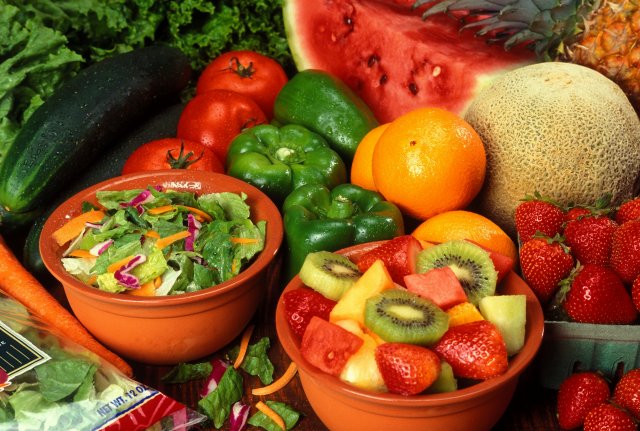
fruits and vegetables

Prepare perishable foods soon after shopping. It will be easier to whip up meals or snacks later in the week, saving time, effort, and money.

  • When you get home from the store, take the time to wash, dry, chop, dice, slice, and place your fresh food items in clear storage containers for snacks and easy cooking.
  • Befriend your freezer and visit it often. For example,
    • Freeze food such as bread, sliced fruit, or meat that you know you won’t be able to eat in time.
    • Cut your time in the kitchen by preparing and freezing meals ahead of time.
    • Prepare and cook perishable items, then freeze them for use throughout the month.
    • For example, bake and freeze chicken breasts or fry and freeze taco meat.

Thriftiness Tips

Be mindful of old ingredients and leftovers you need to use up. You’ll waste less and may even find a new favorite dish.

  • Shop in your refrigerator first! Cook or eat what you already have at home before buying more.
  • Have produce that’s past its prime? It may still be fine for cooking. Think soups, casseroles, stir fries, sauces, baked goods, pancakes or smoothies.
  • If safe and healthy, use the edible parts of food that you normally do not eat. For example, stale bread can be used to make croutons, beet tops can be sautéed for a delicious side dish, and vegetable scraps can be made into stock.
  • Learn the difference between “sell-by,” “use-by,” “best-by,” and expiration dates.
  • Are you likely to have leftovers from any of your meals? Plan an “eat the leftovers” night each week.
  • Casseroles, stir-fries, frittatas, soups, and smoothies are great ways to use leftovers too. Search for websites that provide suggestions for using leftover ingredients.
  • At restaurants, order only what you can finish by asking about portion sizes and be aware of side dishes included with entrees. Take home the leftovers and keep them for or to make your next meal.
  • At all-you-can-eat buffets, take only what you can eat.

Toolkit for Your Home and Your Community

The Food: Too Good to Waste Toolkit will help you figure out how much food is really going to waste in your home and what you can do to waste less. By making small shifts in how you shop for, prepare, and store food, you can save time and money, and keep the valuable resources used to produce and distribute food from going to waste!

Food: Too Good to Waste also contains an Implementation Guide that is designed to teach local governments and community organizations how to implement a Food: Too Good to Waste campaign in their community using the Toolkit.


If You Can’t Reduce Wasted Food, Divert It From Landfills

DONT WSTE FOOD 🙏🙏

HOW THE STOCK MARKET WORKS

…..

WHAT IS A STOCK?

.

Companies need money to help them grow

They use it for all kinds of things,like buying materials to make their products , developing new products, building plants and hiring people to work.

To raise money, companies often split ownership of the companies into smaller “shares” that they sell to the public.the shares are also called “stocks”

HOW DOES IT WORKS??

-A stock exchange is an institution which hosts a market where traders can buy and sell stocks. -Traders make money by buying the stock before the price goes up,and then they sell it before it goes back down.

-The price of the stock reflects the available information about the financial health of the company. -Traders watch the stock rise and fall and make decisions to make a profit.

HOW TRADERS MAKE MONEY:

-If you sold your stock on a day when the price of that stock is higher than the price you paid for it, you would make money.

HOW TRADERS LOSE MONEY:

-If you sold your stock on a day when the price of that stock falls below the price of you paid for it,you would lose money.

INTERESTING FACTS:

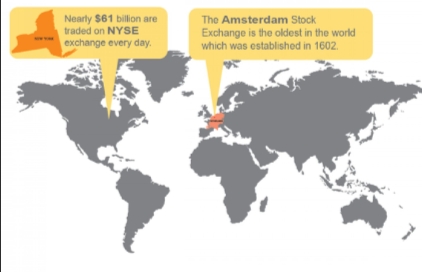
Approximately 630000 companies are now trade publicly in the world.

ADVANTAGES OF INVESTING STOCK MARKET:

1.chances of exceedingly good return in short time,even in the past people have gained exceedingly good returns on their stock market investments.

2. We always have a good chance to earn huge profits when we decide upon stock market investing

3.when we invest in stock market although we put ourself at lot of risks ,we are also in a position to earn good returns in very short time.

DIS ADVANTAGES OF INVESTING STOCK MARKET:

1.Volatile investments. Investment in BSE is subjected to many risks since the market is volatile

2. The shares of a comapany go up and come down so many times in just a single day.These price fluctuations are un predictible most of the times.

3.Brokerage comission kill profit margin every time an investor buys or sells his shares ,he has to pay some amount as a brokerage commission to the broker.

4. Time consuming. Investment in NSE is not as easy as investment in lottery as we have to compare many formalities in the process and hence is time consuming.